Why Rust Solo Survival Rewards Patience and Preparation Over Raw Aim
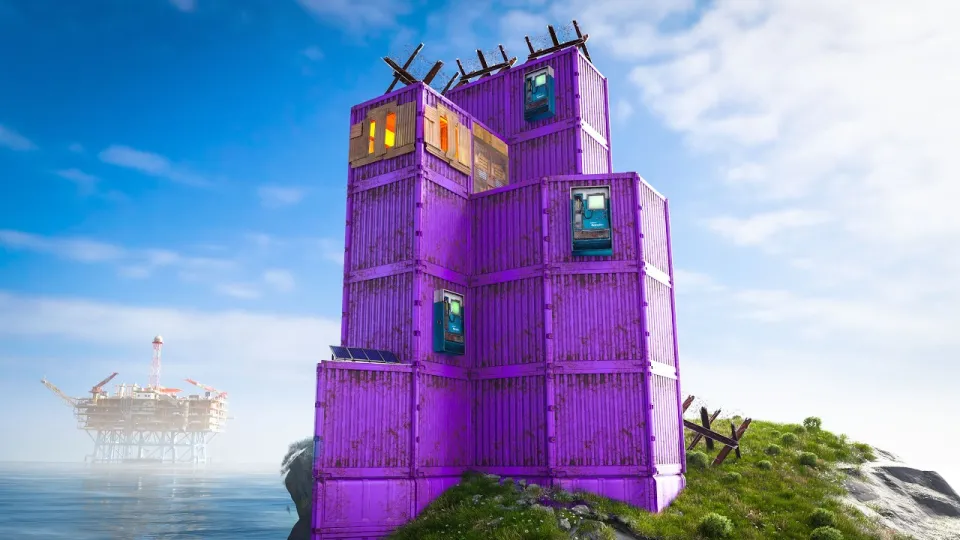
Video: A Solo's Will to Thrive V5 - Rust
You can order the same kind of articles for your own video to boost it on YouTube and Google. Just message the Telegram bot @sat_sit_bot. It writes articles around your video, embeds the video and publishes them on popular niche websites (no ads). Try it free: 50 articles on us.
· based on the channel Oilrats
Rust solo survival is less about raw aim and more about preparation: a solo who picks a hidden 2x1 bunker, banks an early Large Oilrig run and pre-builds defenses will outlast a clan that outnumbers them. The featured Oilrats video, a solo wipeday story, shows exactly that trade-off — one player holding a base against a six-man raid squad with two M2s and a dedicated rocket PvPer, and still walking away with the loot. If you want to support the channel, the creator's mousepad drop is available at the Oilrats EpicDesk store page.
Why a 2x1 bunker is still the correct Rust solo base
A 2x1 bunker is the best first base for a solo in Rust because it is cheap enough to rebuild after a wipe, small enough to hide, and deep enough to protect a full early stash behind a bunker loot room. The pattern repeats across nearly every solo run: you spawn, farm a few hundred stone and wood, and drop a compact footprint before anyone knows the area has a new neighbor.
- Place the 2x1 against a rock or cliff face so only one wall is exposed to a straight approach.
- Build the bunker first and move loot behind it before adding a second floor.
- Keep the outside deliberately boring — no roof camp, no visible furnaces, no decorative windows.
- Store a starter kit (weapon, ammo, meds, tools) in a separate stash so a raid never takes everything at once.
The trade-off is space. A 2x1 cannot hold a full industrial setup, so most solos graduate to a second, quieter base once the first one has served its purpose as a decoy. Neighbors notice a demon next door quickly, which is exactly why the first base should look like nothing worth spending rockets on.
Large Oilrig is the solo power spike that changes the wipe
Large Oilrig is the single best mid-game target for a solo in Rust because it delivers military-grade loot without splitting it with clanmates. The catch is that the monument punishes anyone who arrives unprepared: elite scientists hit hard, the vertical layout forces close-quarters fights, and the boat ride back is a long, exposed trip with a full inventory.
What a solo needs before the first run:
- A boat cached near the shore, ideally with a second one hidden as a backup.
- Enough meds to survive two bad scientist fights, not one.
- A clear exit plan: which ladder, which crate room, which door you leave through when a counter arrives.
- A drop point on the mainland where a stash or a sleeping bag waits, so a death on the water does not erase the run.
The reason Oilrig runs show up in so many solo highlight videos is the risk curve. A single successful run can fund a full T2 kit, a turret and a raid's worth of explosives — the exact jump that turns a surviving solo into a threat a clan has to answer.
How a solo actually defends a base against a six-man raid
Raid defense for a solo is won before the first rocket flies, by shaping the fight so the attackers have to come through one narrow, pre-aimed angle at a time. In the featured run the raiders brought numbers, two M2s and a dedicated rocket PvPer, and the defense still held — the kind of result that comes from setup, not luck.
Practical defense checklist:
- Put a turret where it covers the raid side of the base, wired to a switch you can reach from inside.
- Keep a repair bench and spare building materials in the core so you can patch walls mid-raid.
- Pre-place bags in nearby cover so a death inside the base is a respawn, not a wipe.
- Hold a chokepoint with a shotgun or SMG instead of peeking long angles with a rifle.
- Let the attackers waste explosives on the outer shell while you rotate to the side they are not watching.
Clans that bring a rocket specialist to a solo raid are signaling that they expect a long fight. That is a tempo problem for them: every rocket fired at a honeycomb wall is a rocket not fired at your loot room, and every minute they spend outside is a minute a counter-raid or a third party can arrive.
What solo players get wrong about Rust wipeday
Rust wipeday rewards speed, but the solo mistake is treating speed as farming volume instead of farming order. The first hour decides the wipe: a player who secures a base location, a furnace and a boat before the server fills up will out-progress a player who farms scrap in the open and dies twice on the way home.
A workable wipeday order for a solo:
- Spawn, gather just enough for the 2x1, and place it in the first thirty minutes.
- Get furnaces and a workbench down before chasing monuments.
- Take a low-risk monument for scrap and components, not the highest-tier one on the map.
- Push Oilrig only after you have meds, a dependable gun and a boat cached.
- Spend the evening upgrading walls and adding a turret rather than gambling on another run.
The neighbors who realize early that a strong solo has moved in next door usually choose to farm somewhere else. Reputation is a resource in Rust, and a defended base builds it faster than any kill count.
Common questions solos ask about surviving clans
Solo players repeatedly run into the same doubts: whether a small base is worth defending, whether Oilrig is suicide on a populated server, and whether raid defense against a group is even possible. The short answers are yes, yes with preparation, and yes if the base is built for it.
The recurring themes from viewers of solo Rust content come down to three things. First, base choice: a compact bunker is survivable precisely because it is not worth a clan's explosives. Second, timing: hitting monuments at low-population hours or right after a wipe changes the risk math completely. Third, mindset: losing a kit is normal, losing a base is not, so the loot that matters should always be behind the bunker rather than in the front room.
A solo who expects to fight six players in the open will lose. A solo who forces those six players to fight through doors, turrets and narrow angles has a real chance — and that is the entire argument for building small and defending hard.
Production value and why these solo runs get watched
Solo Rust videos work as entertainment because the stakes are legible: one player, one base, one inventory on the line. The Oilrats channel publishes these solo wipeday stories regularly, and the editing team compresses hours of farming, fights and raid defense into a tight narrative with clean transitions and sound design that reacts to the environment — audio muffling underwater and returning on the surface is a small detail that separates a highlight reel from a movie.
That production discipline matters for players too. Watching a defended raid from the defender's perspective teaches angle discipline, turret placement and when to stop shooting and repair a wall. It is a more useful study aid than a montage of long-range kills, because it shows the boring parts — the farming, the stash runs, the base upgrades — that actually decide whether a solo survives the week.
Useful links
- Oilrats mousepad drop on EpicDesk
- https://www.twitch.tv/oilrats
- https://www.tiktok.com/@oilrats
- https://discord.gg/hrvWH8r9bS
- https://twitter.com/OilratsRust
Final takeaway on solo Rust
Solo Rust is a preparation game disguised as a shooter: the 2x1 bunker, the cached boat and the pre-placed turret do more for your survival than a better spray. The featured run is a clean demonstration that a single prepared player can hold a base against a six-man squad with two M2s and a rocket specialist, provided the fight happens on the defender's terms. Treat every wipe as a sequence — base, workbench, monument, Oilrig, defenses — and the clan next door becomes a manageable risk instead of a wipe-ending one. This breakdown was built around the solo wipeday content published by the Oilrats channel; for gear and channel extras, check the Oilrats EpicDesk product page.
Key takeaways
- Solo Rust runs start from a 2x1 bunker base, the cheapest footprint that still hides loot from a passing clan.
- Large Oilrig is the main mid-game power spike for a solo: military crates, elite scientists and no clan tax on the loot.
- A six-man raid squad with two M2s and a dedicated rocket PvPer still lost the raid defense in the featured Oilrats video.
- Raid defense is won by pre-placed turrets, narrow angles and a stocked repair bench, not by out-aiming the attackers.
- Editing, sound design and pacing turn a wipeday session into a watchable movie; Oilrats publishes these solo runs regularly.
Source: A Solo's Will to Thrive V5 - Rust · Markdown version
Questions & answers
Is a 2x1 bunker base actually safe in Rust as a solo?
It is safe in the sense that matters: it is cheap to rebuild and rarely worth the explosives a clan would need to crack it. The bunker loot room keeps your core stash out of the front rooms, so even a successful raid usually takes a fraction of what you own.
Can a solo player survive a raid by a large group?
Yes, if the base is built for it. Pre-placed turrets, a repair bench in the core, bags in nearby cover and a single pre-aimed chokepoint force the attackers to spend time and explosives instead of walking straight to your loot.
Is Large Oilrig worth the risk for a solo?
It is the strongest mid-game power spike a solo can take, but only with preparation: meds for two bad fights, a cached boat, a backup boat and a mainland drop point. Without those, a single counter or a bad scientist fight erases the run.
What should a solo do first on wipeday?
Secure a base location and place the 2x1 within the first half hour, then get furnaces and a workbench down before chasing monuments. Push Oilrig only after you have meds, a dependable gun and a boat ready.