7 Things a 14,782 Hour Solo Brings to Official Rust
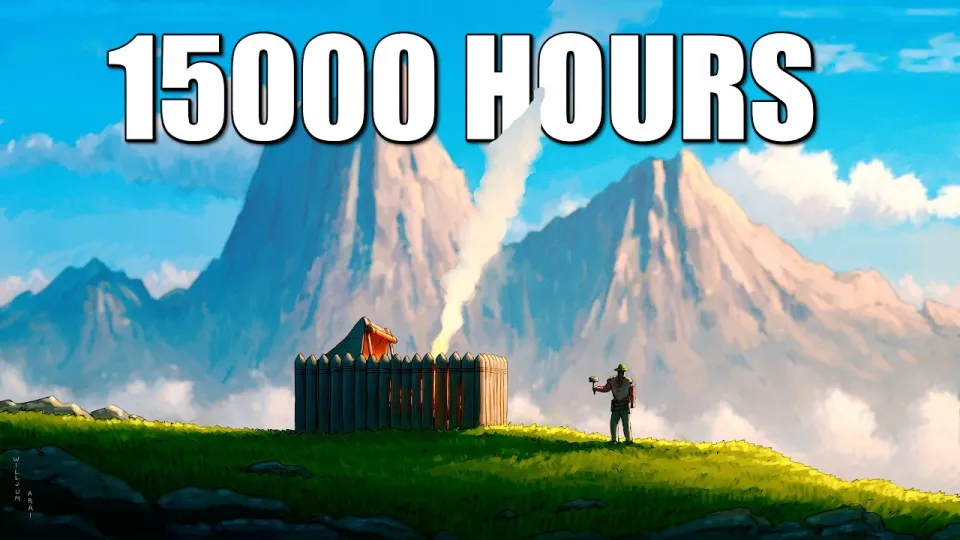
Video: How a solo with 14,782 Hours plays official rust...
You can order the same kind of articles for your own video to boost it on YouTube and Google. Just message the Telegram bot @sat_sit_bot. It writes articles around your video, embeds the video and publishes them on popular niche websites (no ads). Try it free: 50 articles on us.
· based on the channel Willjum
Rust rewards time served more than raw aim, and a solo with 14,782 hours on the clock plays official servers through pattern recognition rather than reflex: knowing which monument to skip, which fight to refuse and where a 2x2 will survive the first night. That hour count works out to roughly 1,180 hours a year over 12.5 years, which is why the decisions in a veteran solo run look almost boring until they suddenly don't. The video breakdown comes from Willjum, and the sponsor link for the grooming kit shown in it is the Manscaped offer page.
What 14,782 hours actually changes in a Rust wipe
Experience in Rust shows up as economy, not as flick shots. A player with thousands of hours knows the exact scrap cost of a workbench path, how long a furnace takes to turn 1,000 metal ore into frags, and when a fight is worth the medkit it will cost. That is why long-term solos on official servers tend to progress through blueprints first and gear second.
- Early wipe is spent on a Tier 1 workbench, a research table and a small base, not on roaming with crossbows.
- Scrap goes into tool blueprints (pickaxe, hatchet, later jackhammer) before weapon blueprints, because tools generate the resources that buy everything else.
- Components are sorted by purpose: pipes and springs for weapons, gears and metal blades for tools, tech trash for electronics.
- Every run out of the base has a defined loot table in mind, so the return trip is never wasted.
The visible result is a player who seems to have nothing and then suddenly has everything, because the first two days were spent compounding resources instead of gambling them.
Base placement and build choices on official servers
On official vanilla servers a solo base is a survival tool, not a trophy. Popular choices are a 2x2 with an airlock tucked into a rock formation, a bunker design that hides loot behind a false floor, or a small compound with high external walls once the wipe matures. The base build featured in this video was made by the creator Luca Builds, whose designs are known for compact footprints that fit tight terrain.
Three rules matter more than the design itself:
- Distance from the nearest large monument should be short enough to walk with loot but long enough that roaming groups do not pass by accident.
- Building against a rock face removes one or two walls from the raid cost, which changes whether a group bothers at all.
- A second, hidden stash base within a few minutes' run protects the wipe if the main base falls.
Scrap discipline and the economy of a solo
A solo's scrap income is roughly a fifth of a four-man group's, so spending has to be surgical. Veterans keep a mental ledger: a Tier 2 workbench costs 500 scrap, a research table 200, and researching a weapon blueprint can cost several hundred more on top of the item itself. That math is why an experienced player will craft the same cheap weapon repeatedly rather than research an expensive one early.
Common patterns among long-term solos:
- Selling surplus components at the outpost for scrap instead of hoarding them.
- Running safe monument routes at low-population hours to avoid contested loot rooms.
- Trading with neighbours when it is cheaper than farming, since official servers are full of players who would rather buy than fight.
- Keeping a small reserve of scrap for emergency repairs and a spare workbench after a raid.
PvP decisions a veteran solo makes
Most fights on official Rust are lost before they start, and high-hour players treat combat as a cost-benefit calculation. Hearing footsteps at distance, counting the number of sets of gear, and checking whether the enemy group is split are all part of deciding whether to engage at all. A solo who kills one member of a trio usually has to leave immediately, because the remaining two will return with better gear.
Practical habits that separate a 10,000-hour solo from a 500-hour one:
- Carry a cheap kit for farming runs and a real kit only when the goal is a fight.
- Use sound deliberately: a mannequin or a dropped item in a window pulls attention away from the actual entrance.
- Never loot in the open; drag bodies behind cover or leave the loot and come back.
- Accept that losing a full kit is normal and price it into the plan before leaving base.
Typical questions from viewers of solo Rust runs
Viewers of long solo series tend to raise the same doubts, and they are worth answering directly. The first is whether such hour counts are real: 14,782 hours spread across more than a decade of Rust's existence is plausible, since the game launched in early access in 2013 and many veterans left clients running or played in long sessions over years. The second is whether a solo can compete on official servers at all, where groups of four to eight dominate monuments; the answer is yes, but through timing, base design and economy rather than through open fights. The third is whether the calm, farming-heavy style shown in these videos reflects real play, when the same player clearly wins plenty of fights. Both are true: the quiet stretches are what make the occasional fight winnable.
Links and resources from the video
- Manscaped offer used in the video: https://manscaped.com/willjum
- Willjum on Patreon: https://www.patreon.com/Willjum
- Willjum on Twitch: https://www.twitch.tv/willjum
- Willjum on Twitter: https://twitter.com/willjum1
- Creative Commons Attribution 4.0 licence referenced for the music: http://creativecommons.org/licenses/by/4.0/
Final thoughts on playing Rust as a solo
The takeaway from a 14,782-hour solo run is that Rust on official servers is a resource management game with a shooter attached. Base placement, scrap routing and the discipline to walk away from fights decide more wipes than aim does. Newer players can copy the structure even without the hours: pick a defensible spot, research tools before weapons, and treat every kit as already lost. Willjum's breakdown is a useful reference because it shows the boring middle of a wipe, which is where solos actually win.
If you want the grooming kit promoted in the video, the Manscaped page for Willjum's viewers is where the discount code applies.
Key takeaways
- Willjum's solo account shows 14,782 hours of Rust played, roughly 1,180 hours per year across 12.5 years.
- The run is played on official vanilla servers, where a solo faces groups of two to eight players.
- The base build in the video comes from the creator Luca Builds.
- Veteran solos skip low-value monuments early and spend scrap on tools, not weapons, in the first hours of a wipe.
- Official servers wipe monthly on the first Thursday, so a solo's progress window is about 30 days.
Source: How a solo with 14,782 Hours plays official rust... · Markdown version
Questions & answers
Is 14,782 hours in Rust realistically possible?
Yes. Rust has been available since 2013, so the total works out to roughly 1,180 hours per year over about 12.5 years. Long sessions, streaming, and clients left logged in all contribute to totals like this on veteran accounts.
Can a solo player survive on official Rust servers against groups?
A solo can progress on official servers, but not by taking fair fights. The reliable approach is farming at low-population hours, building compact bases against terrain, and spending scrap on tools and blueprints before weapons.
Why do experienced Rust players avoid researching weapons early?
Research costs scrap that a solo cannot easily replace, and a researched weapon still has to be crafted with components. Tools and workbenches generate resources faster, so veterans invest there first and keep using cheap kits until the economy is stable.
How much scrap does a basic solo progression cost in Rust?
A Tier 1 workbench costs 50 scrap, a Tier 2 costs 500, and a research table costs 200, before any blueprint research. That is why a solo's first days are usually spent farming monuments and selling surplus components rather than buying gear.